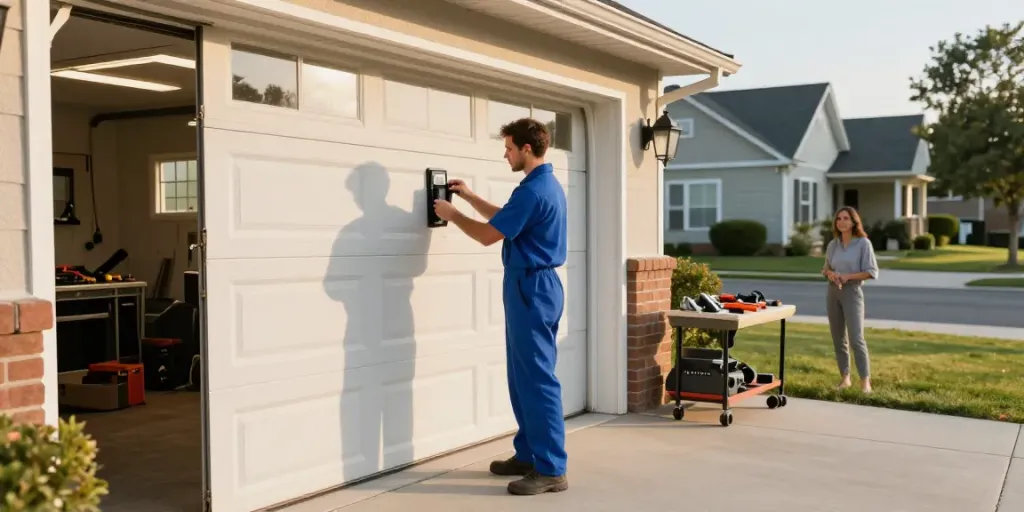
Understanding Why Your Garage Door Won't Open
Experiencing a garage door that won't open can be frustrating and stressful. It is one of the most common issues for homeowners, often leading to delays and inconveniences in daily life. Understanding the underlying causes of this problem can empower you to take the necessary steps toward a quick resolution. Garage doors are complex systems involving various components that work together to ensure smooth operation. When one of these parts fails or becomes misaligned, the entire system can be affected. If you're facing the dilemma of a garage door won't open, this article will guide you through the common causes, diagnostic steps, and expert tips for troubleshooting.
Common Causes of Garage Door Malfunctions
Garage doors may fail to open for several reasons. Identifying these causes can streamline the repair process, minimizing downtime. Some common issues include:
- Power Supply Interruptions: If the garage door opener isn't receiving power, the door won't operate. Check if the opener is plugged in and the circuit breaker is functioning properly.
- Remote Control Problems: Faulty batteries or malfunctioning remotes can prevent the door from responding. Always check the batteries first, as they are often the simplest fix.
- Blocked Safety Sensors: Most modern garage doors have safety sensors that detect obstructions. Dirt, dust, or misalignment of these sensors can hinder the door’s operation.
- Broken Springs or Cables: The springs provide the necessary tension for lifting the door. A broken spring can cause the door to become inoperable, while frayed cables can lead to further complications.
- Door Off Track: If the door rollers slip out of their tracks, the door will not open or close properly. This requires immediate attention to avoid further damage.
How to Diagnose Problematic Garage Doors
Diagnosing issues with your garage door requires a systematic approach. Start by observing how the door behaves when you attempt to open it. Here’s a simple diagnostic method:
- Check the power. Ensure that the opener is plugged in and inspect the circuit breaker for tripped switches.
- Test the remote control. If it’s not working, try using the wall switch or replacing the batteries.
- Inspect the safety sensors. Make sure they are clean and properly aligned. Any obstructions should be removed.
- Look for visible signs of damage. Examine the springs, cables, and tracks for wear and tear.
- If the door is off track, carefully realign it before calling for assistance.
Importance of Regular Maintenance for Smooth Operation
Regular maintenance of your garage door can prevent many common issues that lead to opening failures. Here are some vital maintenance tasks to consider:
- Lubricate moving parts, including rollers and tracks, to reduce friction and wear.
- Inspect the springs and cables periodically for signs of fraying or breaking.
- Test the door balance by disconnecting the opener and manually lifting the door halfway. It should stay in place.
- Clean the safety sensors to ensure they function correctly and are free of obstructions.
Immediate Steps to Take When Your Garage Door Won't Open
If you're already facing a situation where your garage door won't open, it's essential to act quickly. Start by assessing safety issues or immediate concerns. Consider factors such as:
- Is there a vehicle trapped inside?
- Are there any items in the way of the door that could cause damage?
- Is it safe to operate the door manually?
Assessing Safety and Immediate Concerns
Before attempting to troubleshoot your garage door, safety should be your priority. Ensure no one is near the door when it is malfunctioning. If the door is partially open, it may fall, posing a risk of injury. If you suspect a serious issue, it’s best to contact a professional for assistance.
Checking Power and Opener Functionality
The next step involves checking the power supply to the opener. Verify that it is connected to a working outlet and check for any signs of damage to the cord. If the power seems fine, check the status of the circuit breaker as it may have tripped.
Evaluating Garage Door Mechanisms
After ensuring power supply, examine the mechanisms of the garage door. Check the springs, cables, and tracks for any visible issues. If everything appears in good condition, the issue may lie within the garage door opener itself.
Expert Tips for Troubleshooting Garage Door Issues
Understanding how to troubleshoot your garage door can save you time and money. Here are expert tips to help you resolve issues effectively:
Common Fixes for Garage Door Won't Open Scenarios
Some common fixes include:
- Changing Batteries: If your remote control isn’t working, replace the batteries to see if that resolves the issue.
- Aligning Safety Sensors: If your sensors are misaligned, adjusting them can often fix the problem.
- Tightening Loose Hardware: Inspect all bolts and screws to ensure they are tight, as loose hardware can disrupt the function of the door.
- Manually Resetting the Opener: Unplugging the opener for 10-15 seconds and then plugging it back in can sometimes reset the system.
When to Call a Professional Technician
If after troubleshooting the problem persists, it’s time to call a professional. Consider seeking professional help if you notice:
- Broken springs or cables
- Continuous issues with the door alignment
- Problems with the opener that cannot be easily resolved
Preventative Measures to Avoid Future Issues
Taking preventative measures can help avoid future malfunctions. Regularly inspect and maintain your garage door system. Create a schedule for maintenance checks, lubricate necessary parts, and promptly address any signs of wear.
Emergency Repairs: Fast Solutions for Broken Garage Doors
Garage door emergencies can happen at any time, leading to significant inconveniences. Recognizing the signs that indicate an emergency is crucial for prompt resolution.
Identifying Emergency Situations
Some situations that may require immediate attention include:
- If the door fails to open entirely and you are locked out.
- Unusual noises when operating the door, indicating mechanical issues.
- Visible damage to springs or cables that could cause further complications.
Same-Day Repair Services: What to Expect
If you require immediate assistance, same-day repair services can be a lifesaver. When you contact a professional, expect:
- A technician to arrive within a specified window of time.
- A complete inspection of the garage door system to identify the problem.
- A fixed quote before any work begins, ensuring transparency in costs.
Understanding Costs and Call-Out Fees
It’s essential to understand the costs involved in emergency repairs. Many companies offer no-call-out fees, meaning you only pay for the repairs themselves, which can help reduce the overall costs significantly.
Frequently Asked Questions About Garage Door Repairs
Many homeowners have common questions regarding garage door issues. Here are answers to some frequently asked queries:
What should I do if my garage door won't open at night?
Check the power supply and remote control. If these seem fine, consider using the manual release option, if available, to open the door manually. Ensure it is safe to do so.
Can I fix my garage door myself?
Simple issues like changing batteries or realigning safety sensors can usually be done by homeowners. However, for more complex repairs, especially involving springs or cables, it’s safer to hire a professional.
How often should I have my garage door serviced?
It’s advisable to have your garage door serviced at least once a year. Regular maintenance can prevent unforeseen issues.
What are the signs my garage door needs repair?
Signs include unusual noises during operation, slow opening or closing, and the door failing to open or close completely.
How long does a typical garage door repair take?
Most repairs can be completed within 45-90 minutes, depending on the extent of the damage and the availability of parts.