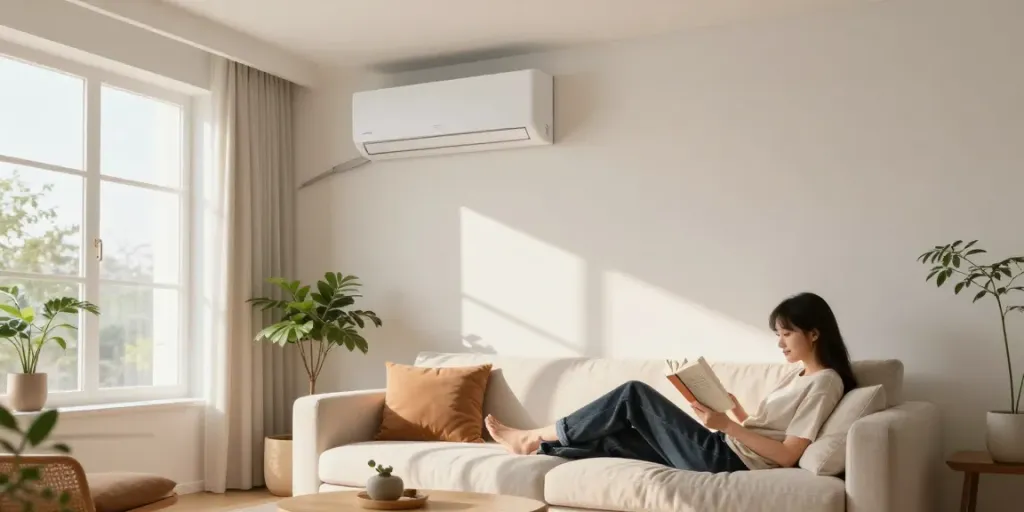
Understanding Mini Split AC Systems
As the demand for energy-efficient cooling solutions continues to rise, the popularity of mini split AC systems has surged in recent years. These systems offer a compelling alternative to traditional air conditioning units, providing effective temperature control in a variety of settings. From small apartments to large homes, mini split AC units can cater to diverse cooling needs while enhancing comfort and air quality. In this article, we will delve into the intricacies of mini split AC units, exploring their essential components, advantages, and the common issues that users may encounter.
When exploring options, mini split ac systems provide comprehensive insights into modern cooling technologies. Understanding the functionality and features of these systems is vital for making informed decisions that align with your home or business requirements.
What is a Mini Split AC?
A mini split AC, also known as a ductless air conditioner, is a compact HVAC system that consists of two main components: an outdoor condenser unit and one or more indoor air handlers. These units operate independently, allowing for zoned cooling, which means you can set different temperatures for different rooms or areas in your space. Unlike traditional centralized HVAC systems, mini splits do not require ductwork, making them an excellent choice for homes without existing ducts or those looking to improve energy efficiency.
Key Components of Mini Split Systems
Mini split systems are comprised of several key components that work together to provide efficient cooling and heating. Understanding these parts can help users troubleshoot issues and make informed maintenance decisions:
- Outdoor Unit: Houses the compressor and condenser, facilitating the heat exchange process.
- Indoor Unit: Responsible for distributing cool air into the living space. Each indoor unit can be controlled separately.
- Refrigerant Lines: Connect the outdoor unit to the indoor units, allowing refrigerant to flow between them for cooling.
- Remote Control: Provides convenience for adjusting settings from anywhere in the room.
Advantages of Mini Split AC Over Traditional Systems
Mini split AC systems offer numerous advantages over traditional HVAC systems, making them a preferred choice for many homeowners and business owners:
- Energy Efficiency: Mini splits typically consume less energy than central air systems, leading to lower utility bills.
- Quiet Operation: These systems operate at significantly lower noise levels compared to traditional units, adding to indoor comfort.
- Zoned Comfort: Ability to control the temperature of individual rooms allows for customized comfort without wasting energy.
- Easy Installation: Without the need for extensive ductwork, installation is often quicker and less invasive.
Common Issues with Mini Split ACs
Despite their advantages, mini split AC systems are not without issues. Recognizing common problems early can prevent costly repairs and ensure optimal performance:
Frequent Mechanical Problems
Mechanical issues in mini split systems can result from various factors, including age, wear and tear, or improper maintenance. Common mechanical problems include:
- Leaking Refrigerant: A loss of refrigerant can drastically reduce cooling efficiency and may indicate a leak in the line.
- Faulty Compressor: A malfunctioning compressor can lead to complete system failure and requires immediate attention.
- Dirty Filters: Clogged filters restrict airflow and can result in reduced efficiency and higher energy costs.
Electrical and Connectivity Issues
Electrical problems can disrupt the functionality of mini split systems. Key concerns include:
- Bad Connections: Loose or damaged wiring can prevent the system from operating effectively.
- Power Surges: Fluctuations in power can affect the performance and lifespan of the unit.
- Remote Issues: Problems with remote controls or connectivity can be frustrating, necessitating either battery replacement or unit reset.
Thermostat and Remote Malfunctions
Thermostats play a critical role in regulating temperature. Common issues include:
- Inaccurate Readings: An inaccurate thermostat can lead to excessive energy use and uncomfortable temperatures.
- Erratic Function: If the thermostat fails to respond or acts inconsistently, it may need to be recalibrated or replaced.
Effective Troubleshooting Techniques
When faced with issues related to mini split systems, employing effective troubleshooting techniques can save homeowners time and money:
Step-by-Step Troubleshooting Guide
To address common mini split problems, follow this troubleshooting guide:
- Check the power supply and ensure the unit is plugged in and receiving electricity.
- Inspect the filters and clean or replace them as necessary.
- Examine the outdoor unit for debris or obstructions that might block airflow.
- Ensure that the remote control has functional batteries and is paired correctly with the indoor unit.
- If issues persist, consult the user manual or contact a professional technician.
When to Call a Professional
While many issues can be resolved with basic troubleshooting, some problems require the expertise of qualified HVAC professionals. You should seek professional assistance if:
- The system is leaking refrigerant.
- There are persistent electrical issues.
- You are experiencing frequent cycle on/off behavior.
Maintenance Tips to Prevent Issues
Preventative maintenance is crucial for extending the lifespan of mini split AC systems. Here are some essential maintenance tips:
- Schedule annual professional maintenance checks.
- Regularly clean or replace air filters.
- Keep the outdoor unit free from debris, leaves, and dirt.
- Check refrigerant levels and inspect for leaks.
Mini Split AC Installation Best Practices
Proper installation of mini split systems is critical for optimal performance. Following best practices ensures that your unit operates efficiently and effectively:
Choosing the Right Location for Your Unit
The placement of indoor and outdoor units significantly affects performance. Consider the following:
- Install indoor units in locations with unobstructed airflow.
- Choose outdoor locations that are shaded and protected from direct sunlight.
- Ensure sufficient space for maintenance and service access.
DIY Installation vs. Professional Services
While some homeowners may consider DIY installation for mini split systems, professional installation is often advisable due to:
- Expert knowledge of local building codes and regulations.
- Guaranteed adherence to safety standards.
- Access to specialized tools and equipment for installation.
Cost Considerations and Budgeting
The cost of installing a mini split AC system can vary significantly based on several factors, including:
- The size and number of indoor units.
- Accessibility of the installation site.
- Labor costs in your area.
On average, homeowners should budget between $3000 to $5000 for a complete installation, depending on specific needs and conditions.
The Future of Mini Split AC Technology
As technology advances, mini split systems are evolving to meet the demands of consumers and the environment. The future holds promising innovations, including:
Innovations in Mini Split Systems for 2026
Emerging technologies are leading to enhanced performance and user convenience. Expect to see:
- Smart technology integration for remote monitoring and control via apps.
- Advanced filtration systems that improve indoor air quality.
- Modulating compressors that enhance energy efficiency.
Energy Efficiency and Eco-friendly Options
The trend towards sustainability is compelling manufacturers to develop more energy-efficient mini splits. Look for:
- Units with high SEER (Seasonal Energy Efficiency Ratio) ratings.
- Refrigerants with lower environmental impact and global warming potential.
Predicted Trends in Home Cooling Solutions
As climate change drives hotter summers, homeowners will increasingly turn to mini split AC systems for their flexibility and efficiency. Trends to watch include:
- Increased adoption in retrofitting existing homes.
- Preference for multi-zone systems in new constructions.
What are the disadvantages of a mini split?
Despite their many advantages, potential drawbacks of mini split AC systems include:
- Higher upfront costs compared to traditional systems.
- Installation can be challenging in multi-story homes.
- Visual impact of indoor units may not appeal to everyone.
Is a mini split AC worth it?
For many homeowners, the energy savings and improved comfort provided by mini split AC systems outweigh the initial investment. They are particularly advantageous for:
- Homes without existing ductwork.
- Spaces that require zoned temperature control.
Why is my electric bill so high with mini split?
If you notice high electricity bills while using a mini split AC system, it may stem from:
- Improperly sized units that work harder than necessary.
- Dirty filters or coils restricting airflow.
- Neglecting regular maintenance, which impacts efficiency.
What's the average cost to put in a mini split?
Installation costs for mini split AC systems can range widely, typically between $3000 and $5000, depending on:
- The number of indoor units required.
- Site accessibility and installation complexity.
- Local market rates for HVAC installation.