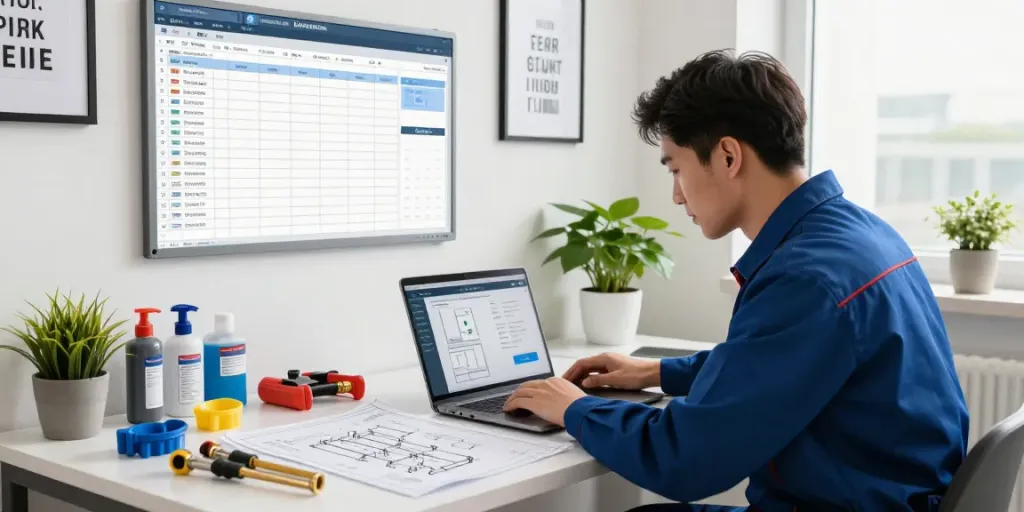
Understanding the Importance of Plumbing Business Software
In today's fast-paced world, plumbing businesses are facing increasing competition and demanding customer expectations. To stay ahead, adopting advanced technology is essential. Plumbing Business Software serves as a pivotal tool, streamlining operations and enhancing efficiency for plumbing contractors. This software encompasses a range of features designed to simplify various aspects of running a plumbing business—from scheduling and dispatching to financial management.
When exploring options, Plumbing Business Software can offer insights into the tools designed specifically for plumbing professionals. By understanding the fundamental aspects of this software, plumbing entrepreneurs can revolutionize their business practices and significantly boost productivity.
What is Plumbing Business Software?
Plumbing Business Software is a specialized management tool that assists plumbing contractors in handling various operational facets, including job scheduling, invoicing, customer management, and reporting. It centralizes essential functions into a single platform, enabling businesses to operate more efficiently. This software typically integrates with mobile applications, allowing plumbers to manage their tasks on-the-go, ensuring they never miss an important job or appointment.
Key Benefits for Plumbing Entrepreneurs
- Increased Efficiency: Automation of scheduling and dispatching minimizes time spent on administrative tasks, allowing plumbers to focus on service delivery.
- Enhanced Customer Service: With integrated CRM capabilities, businesses can maintain detailed customer records and communicate effectively, thus improving client relationships.
- Accurate Financial Management: The software streamlines invoicing, making it easier to track payments and manage cash flow.
- Data-Driven Insights: Advanced reporting features assist entrepreneurs in analyzing business performance, leading to informed decision-making.
Overcoming Common Misconceptions
Several misconceptions surround the use of Plumbing Business Software. Some contractors believe that such software is only for large businesses. However, many software solutions are designed to cater to small and medium-sized enterprises, providing them with the same advantages as larger counterparts. Additionally, some may view these systems as overly complex, but many modern solutions prioritize user experience, making them accessible even for those with minimal tech skills.
Essential Features of Effective Plumbing Business Software
Automation Tools for Scheduling and Dispatching
Effective Plumbing Business Software should include automation tools that simplify scheduling and dispatching. Automated scheduling reduces the chances of double bookings, ensuring that plumbers are efficiently deployed to jobs based on priority and geographical location. Dispatching features often include tracking capabilities, allowing managers to see where team members are and reassign tasks as needed.
Integrating Financial Management and Invoicing
Financial management is a critical component of any plumbing business, and software that integrates invoicing with accounting can save contractors significant time and effort. Features like automatic billing, customizable invoices, and real-time payment tracking help to alleviate the stress of managing finances. Additional functionalities such as expense tracking and profit-loss analysis can provide plumbing businesses with a clear financial picture.
Customer Relationship Management (CRM) Capabilities
A robust CRM feature within plumbing business software allows contractors to maintain comprehensive customer profiles, track interactions, and manage service requests. This can significantly enhance customer satisfaction by providing personalized service based on past interactions and preferences. Furthermore, automated follow-ups and reminders can ensure that no customer inquiry goes unattended.
Choosing the Right Plumbing Business Software for Your Needs
Evaluating Software for Small to Medium Plumbing Businesses
When selecting Plumbing Business Software, it's important for small to medium-sized plumbing businesses to evaluate their specific needs. Factors such as the size of the team, type of services offered, and the volume of jobs can influence which software will be most effective. Key evaluations include the scalability of the software, its ability to grow with the business, and whether it supports additional features that may be needed in the future.
Comparing Pricing Models and Packages
Pricing is another critical factor in choosing plumbing software. Many providers offer tiered subscription models, allowing businesses to select a package that aligns with their budget and operational requirements. Assessing what features are included in each package is essential, as some may offer advanced capabilities at a higher tier that could be beneficial in the long run.
Checking Customer Support and Training Options
Robust customer support and training options are vital when investing in software. Plumbing businesses should look for providers that offer comprehensive training materials, tutorials, and round-the-clock support to assist with any issues that may arise. Having access to reliable customer service ensures that businesses can minimize downtime and get the assistance they need promptly.
Best Practices for Implementing Plumbing Business Software
Step-by-Step Guide to Software Integration
Successfully integrating Plumbing Business Software requires a well-thought-out plan. Here’s a step-by-step guide:
- Assess Current Processes: Identify which areas of your business could benefit most from automation.
- Select the Right Software: Based on your assessments, choose software that meets your specific needs.
- Data Transfer: Migrate existing customer and job data into the new system carefully, ensuring accuracy.
- Conduct Training: Make sure all team members understand how to use the software effectively through comprehensive training sessions.
- Monitor and Adjust: After implementation, continually monitor performance and make necessary adjustments based on team feedback and business outcomes.
Training Your Team for Success
Training is crucial for ensuring the successful implementation of plumbing business software. Consider organizing workshops or providing access to online tutorials to familiarize staff with the software’s features. Encouraging users to practice using the software in real-world scenarios can build confidence and help them take full advantage of the software’s capabilities.
Tracking Performance Metrics and Adjustments
After implementing plumbing business software, it is essential to track performance metrics to evaluate the software's effectiveness. Monitoring key performance indicators (KPIs), such as job completion rates, customer satisfaction levels, and financial metrics, can provide insights into how well the software is meeting business needs. Regularly reviewing these metrics allows for timely adjustments and improvements to workflows.
Future Trends in Plumbing Business Software for 2026 and Beyond
Embracing Artificial Intelligence and Machine Learning
The future of Plumbing Business Software is likely to be heavily influenced by advancements in artificial intelligence and machine learning. These technologies can automate complex tasks, predict maintenance needs based on historical data, and even enhance customer service through personalized interactions. Businesses that embrace these innovations will have a significant competitive edge.
The Impact of Mobile Technology on Plumbing Operations
Mobile applications are becoming increasingly essential for plumbing contractors, allowing for real-time updates and communication. As mobile technology improves, software developers will likely enhance mobile functionality, enabling plumbers to access job details, customer information, and invoicing while on-site. This mobility ensures that plumbers remain productive, regardless of their location.
Anticipating Market Changes and Customer Needs
The plumbing industry is continually evolving, with changing regulations, customer preferences, and technological advancements. Plumbing businesses must stay agile and be prepared to adapt their software solutions to these changes. Regularly soliciting customer feedback and monitoring industry trends can help plumbing businesses anticipate shifts and innovate accordingly.
What software do plumbers use?
Plumbers typically use software designed for scheduling, dispatching, invoicing, and customer management. Popular options include Jobber, ServiceTitan, and Housecall Pro, among others.
How can plumbing business software improve efficiency?
By automating routine tasks, providing real-time data access, and streamlining communication, plumbing business software can significantly enhance overall operational efficiency.
What features should I look for in plumbing software?
Key features to consider include scheduling and dispatching tools, financial management capabilities, CRM functionality, mobile access, and reporting and analytics tools.
Is plumbing business software suitable for small businesses?
Yes, many plumbing business software solutions are specifically designed for small to medium-sized businesses, offering scalable features that can grow with the company.
How does technology affect modern plumbing practices?
Technology enhances efficiency, improves customer service, and provides valuable data analytics for better decision-making, shaping how plumbing businesses operate and serve clients.