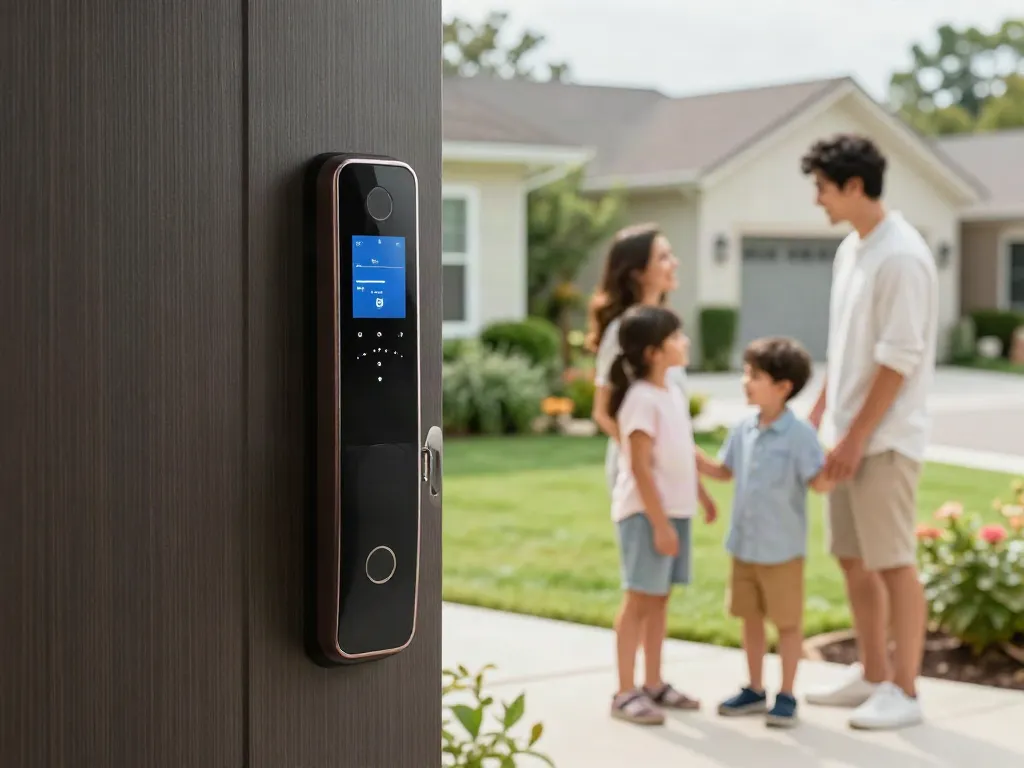
Understanding Smart Locks
Smart locks have revolutionized the way we secure our homes, blending convenience with enhanced security. As technology advances, these locks have become increasingly popular among homeowners looking to simplify access control while ensuring safety. With a variety of options available, from biometric systems to smartphone-controlled devices, the decision on which smart lock to purchase can be daunting. When exploring options, خرید قفل هوشمند offers comprehensive insights into different models and features.
What is a Smart Lock?
A smart lock is an advanced locking mechanism that uses electronic systems to control access rather than traditional keys. These locks can be operated via smartphones, biometrics, or numerical codes, providing greater flexibility and security. Unlike traditional locks, smart locks can integrate with home automation systems, allowing users to control them remotely.
Types of Smart Locks Available
There are several types of smart locks available on the market today, each designed to meet different security needs and preferences:
- Keypad Locks: These locks require a numerical code to unlock, providing the freedom to enter without a physical key.
- Biometric Locks: Utilizing fingerprint technology, these locks provide a high level of security by recognizing authorized fingerprints.
- Bluetooth Smart Locks: These locks communicate directly with your smartphone, allowing for keyless entry. Users can unlock their doors with a simple tap on their devices.
- Wi-Fi Smart Locks: These locks can connect to your home Wi-Fi network, enabling remote access from anywhere and real-time alerts on lock activity.
- Smart Deadbolts: These offer both mechanical and electronic locking mechanisms, enhancing security while retaining traditional features.
Key Features of Smart Locks
Smart locks come equipped with several key features that enhance their usability and security:
- Remote Access: Allows users to control and monitor their locks from anywhere using a mobile app.
- Access Logs: Records who enters and exits your home, providing valuable data for security purposes.
- Temporary Access Codes: Enables users to grant limited access to guests or service personnel.
- Integration with Smart Home Systems: Many smart locks can be integrated with other smart devices, enhancing functionality and convenience.
Benefits of Buying a Smart Lock
Investing in a smart lock offers numerous advantages that extend beyond traditional locking mechanisms. Understanding these benefits can help you make an informed decision when upgrading your home security.
Enhanced Security Features
Smart locks often include advanced security features such as encryption technology, tamper alarms, and secure Bluetooth connections, making them significantly harder to bypass than conventional locks. This added layer of protection can deter potential intruders, ensuring that your home remains safe.
Convenience and User-Friendliness
Smart locks simplify the process of entering and securing your home. With features like auto-locking and keyless entry, you no longer have to fumble with keys. Many smart locks allow multiple access methods, including fingerprint recognition, mobile applications, and numeric codes, catering to different user preferences.
Remote Access and Control
The ability to control your locks remotely offers unparalleled convenience. Whether you're at work or on vacation, you can lock or unlock your door through your smartphone. This feature is especially useful for granting access to guests without being physically present, ensuring both freedom and security.
Choosing the Right Smart Lock for Your Home
With the variety of options in the market, selecting the right smart lock involves careful consideration of several factors that cater to your specific needs.
Factors to Consider when Buying
- Compatibility: Ensure that the smart lock you choose is compatible with your existing door and does not require extensive modifications.
- Features: Assess the features that are important to you, such as remote access, voice control, or integration with other smart home devices.
- Power Source: Consider whether the lock is battery-powered or hardwired. Battery-operated locks may require regular maintenance, while hardwired options could provide more reliable performance.
Budgeting for Your Smart Lock
Smart locks come at a range of prices, from economical options to high-end models with advanced features. Set a budget that reflects your security needs and desired functionalities. Remember, while price is important, investing in a reliable lock can save you money in potential security breaches.
Comparison of Different Brands
Research various brands and their offerings. Established brands often provide better customer service, warranty options, and product support, which can significantly enhance your buying experience. Read customer reviews and expert recommendations to identify the best options available.
Installation and Maintenance Tips
Proper installation and maintenance are crucial to ensuring the longevity and effectiveness of your smart lock. Understanding these processes can greatly improve your smart lock experience.
Professional vs DIY Installation
Depending on your comfort level with technology, you may choose to install your smart lock yourself or hire a professional. DIY installation can save money, but ensure you follow the manufacturer’s instructions thoroughly to avoid issues. Professional installation guarantees that the lock is set up correctly, which can be particularly valuable for more complex models.
Regular Maintenance for Longevity
Routine maintenance is essential for the functionality of your smart lock. Keep the mechanism clean and lubricated, check battery levels regularly, and update firmware as needed to protect against cybersecurity threats.
Troubleshooting Common Issues
If you encounter problems with your smart lock, check for common issues such as dead batteries, firmware updates, or connectivity problems. Many manufacturers offer troubleshooting guides and customer support to assist users in resolving issues efficiently.
Future Trends in Smart Lock Technology
The smart lock industry is rapidly evolving, with new technologies emerging that promise to enhance security and user experience even further. Staying informed about these trends will prepare you for future upgrades and improvements.
Emerging Technologies in Home Security
Future advancements in smart lock technology may include enhanced AI capabilities, allowing locks to learn from user behavior and improve security protocols automatically. Additionally, integration with more sophisticated home security systems will likely offer even more comprehensive home safety solutions.
Predictions for Smart Lock Features in 2026
By 2026, we can expect smart locks to become even more intuitive, with features such as voice activation, improved mobile app functionalities, and advanced biometrics that recognize users based on facial features or even behavioral patterns.
How Smart Locks Fit into Smart Home Ecosystems
Smart locks will continue to play a vital role in smart home ecosystems, working seamlessly with other devices such as cameras, alarms, and environmental controls. This integration will create a symbiotic relationship where various devices enhance each other's functionalities, maximizing home security.
What Should You Look for in a Smart Lock?
When selecting a smart lock, consider features, ease of use, compatibility, power source, and customer support. Prioritize locks that offer robust security features, reliable user feedback, and compatibility with your existing systems.
Are Smart Locks Worth the Investment?
While smart locks may come with a higher upfront cost compared to traditional locks, their advanced features, enhanced security, and convenience often justify the investment. Consider the long-term benefits of increased security and peace of mind when making your decision.
How to Secure Your Smart Lock Setup?
To secure your smart lock setup, ensure the software is always updated, use strong passwords, and enable two-factor authentication if available. Additionally, regularly check for vulnerabilities and follow best practices for cybersecurity.
What to Do If Your Smart Lock Malfunctions?
If your smart lock malfunctions, refer to the manufacturer's troubleshooting guide. If the issue persists, contact customer service for assistance. Keep your purchase receipt and warranty details handy for any needed repairs or replacements.
Can Smart Locks Be Hacked?
While no device is immune to hacking, smart locks equipped with advanced encryption and security protocols minimize these risks. Regular updates and good security practices can enhance their resilience against potential threats.