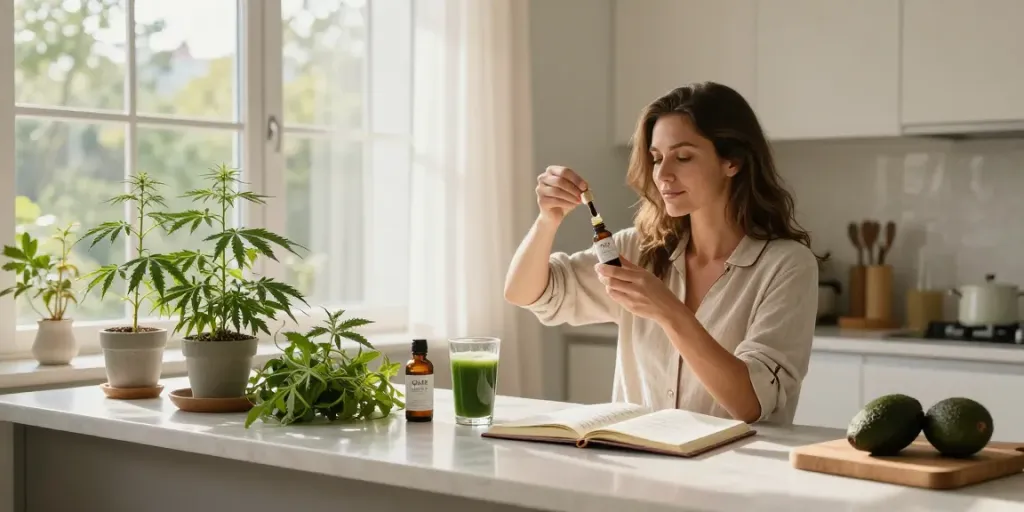
Understanding CBD and Wellness Benefits
Cannabidiol (CBD) has emerged as a significant player in the wellness industry, attracting attention for its potential health benefits. Derived from the hemp plant, CBD interacts with the body’s endocannabinoid system (ECS), a complex cell-signaling system that plays a crucial role in regulating various physiological processes. As more individuals seek natural alternatives for health support, the allure of CBD products continues to grow. Its capacity to promote relaxation, alleviate stress, and enhance overall wellness makes it a cornerstone of modern health practices. sg lana offers valuable resources for those interested in exploring this burgeoning market.
What is CBD?
CBD, or cannabidiol, is one of over 100 phytocannabinoids found in the cannabis plant. Unlike tetrahydrocannabinol (THC), the compound responsible for marijuana’s psychoactive effects, CBD is non-psychoactive. It can be produced from both marijuana and hemp plants, with hemp-derived CBD being the most common due to its legality under the 2018 Farm Bill, which legalized hemp cultivation in the United States, as long as it contains less than 0.3% THC. CBD is known for its versatility, available in various forms such as oils, tinctures, edibles, and topical creams. This adaptability allows individuals to incorporate it into their wellness routines in a manner that suits their lifestyles.
Health Benefits of CBD
Recent studies have suggested a myriad of potential health benefits associated with CBD use. Some of the most promising areas include:
- Anxiety and Stress Management: CBD may help reduce anxiety symptoms by interacting with serotonin receptors in the brain, promoting a sense of calm.
- Pain and Inflammation Reduction: Research indicates that CBD can modulate pain perception and has anti-inflammatory properties, making it effective for chronic pain conditions.
- Improvement in Sleep Quality: Many users report enhanced sleep quality and reduced symptoms of insomnia after using CBD products.
- Focus and Mental Clarity: By alleviating anxiety and promoting relaxation, CBD may also aid concentration and mental performance.
Therapeutic Applications for Wellness
Many users turn to CBD for its therapeutic potential. It may assist individuals dealing with conditions such as chronic pain, anxiety disorders, and sleep disturbances. Health professionals increasingly recognize CBD's role in integrative health strategies, augmenting traditional treatments. As research continues to evolve, users are encouraged to consult healthcare professionals before starting any CBD regimen, particularly for those with pre-existing health conditions or who are pregnant or breastfeeding.
Exploring Different CBD Product Types
To effectively incorporate CBD into your wellness routine, it is essential to understand the various product types available, each with unique benefits and applications.
Oils and Tinctures
CBD oils and tinctures are often favored for their rapid absorption and versatility. By holding the oil under the tongue for 30-60 seconds, users can take advantage of sublingual absorption, leading to quicker onset times, typically within 15 to 45 minutes. Different formulations, such as full-spectrum, broad-spectrum, and isolates, cater to individual needs, offering varying cannabinoid profiles to enhance effects.
Edibles and Capsules
Edibles, including gummies and capsules, provide an alternative for those who are averse to oils. They offer precise dosing which can simplify the intake process. However, due to digestion before entering the bloodstream, the onset time may range from 30 minutes to two hours. Metabolism can also affect edibles' effectiveness, making it essential for users to start with lower doses and adjust as needed.
Topicals and Balms
Topical CBD products, such as creams and balms, provide localized relief and are absorbed through the skin. These can be particularly effective for muscle soreness or joint pain, as they interact with cannabinoid receptors in the skin and localized areas. Users appreciate their non-invasive nature, allowing for targeted applications without systemic effects.
Dosage Guidelines for Beginners
Understanding proper dosing is crucial for maximizing the benefits of CBD while minimizing potential side effects. For beginners, adhering to a "start low and go slow" approach is advisable, gradually titrating the dose as needed.
How to Calculate Your Dosage
When determining the appropriate CBD dosage, factors such as body weight, metabolism, and the severity of the condition being treated should be considered. For instance, a general guideline suggests starting with 1-5 mg of CBD per 10 pounds of body weight, adjusting based on individual response.
Factors Affecting Dosage
Individual tolerances play a significant role in CBD dosage. Beginners may experience varying effects even at the same dosage. Environmental factors and conditions can also influence how one perceives CBD’s effects, underscoring the importance of personal experimentation under safe conditions.
Tips for Safe Consumption
For safe consumption, consider the following tips:
- Consult with a healthcare professional if taking other medications.
- Start with lower concentrations and increase gradually.
- Observe how your body reacts over several days before making adjustments.
- Keep a journal of your experiences to find your ideal dose.
Quality Indicators in CBD Products
The quality and purity of CBD products are paramount in ensuring safety and efficacy. Consumers should prioritize products that undergo stringent quality controls.
Importance of Third-Party Testing
Third-party laboratory testing is a vital aspect of verifying a product’s quality. Independent testing can confirm the cannabinoid profile and ensure the product is free from harmful contaminants. Look for a Certificate of Analysis (COA) accompanying products to verify these tests.
Understanding Certificates of Analysis (COA)
A COA provides critical information about the potency and purity of a CBD product, indicating levels of cannabinoids, the presence of solvents, pesticides, and heavy metals. Consumers should familiarize themselves with reading COAs to make informed choices, ensuring the product aligns with safety standards.
Recognizing Reputable Brands
Choosing reputable brands is essential for product safety. Factors such as transparency, positive reviews, third-party testing, and GMP (Good Manufacturing Practices) certification are good indicators of quality. Consumer education encourages responsible purchasing decisions in the CBD market.
Compliance and Legal Considerations
As the CBD market continues to expand, understanding the legal landscape is crucial for consumers and businesses alike. Compliance with federal and state regulations helps ensure product quality and consumer safety.
Current Laws Surrounding CBD (2026 Update)
Under the 2018 Farm Bill, hemp-derived CBD products are legal as long as they contain less than 0.3% THC. However, state-specific laws vary significantly and may impose additional restrictions. It's critical to stay updated on local regulations to ensure compliance when purchasing or selling CBD products.
THC vs CBD: What You Need to Know
While both THC and CBD are cannabinoids, their effects on the body differ significantly. CBD is non-psychoactive, whereas THC induces a high. Full-spectrum CBD products may contain trace amounts of THC, which can impact drug testing results. A clear understanding of this distinction can help individuals make informed choices based on their needs and circumstances.
Safety Precautions and Side Effects
Though generally considered safe, CBD may cause side effects such as drowsiness, dry mouth, and digestive issues. Interactions with medications, especially blood thinners and certain anticonvulsants, warrant close attention. Users are encouraged to consult healthcare professionals before integrating CBD into their routines, particularly if they are pregnant or breastfeeding.
What are the benefits of using CBD?
CBD provides a range of potential health benefits, such as supporting mental clarity, promoting relaxation, and supporting recovery from physical exercise. For many, incorporating CBD into their wellness practices enhances overall well-being.
How do I choose the right CBD product?
Selecting a CBD product can be overwhelming. Look for third-party tested options, consider the extraction method, and evaluate the cannabinoid content to align with your wellness goals. Understanding your specific needs (e.g., chronic pain relief or anxiety management) is essential for making an informed selection.
What should I know about CBD dosage?
Determining your optimal dosage may take some time. Start with low doses and observe how your body responds. Gradually adjusting your intake can help find the perfect balance for alleviating your symptoms without significant side effects.
Are there any legal restrictions on CBD?
CBD legality is subject to varying state regulations. It is vital to verify local laws before purchasing CBD products to ensure compliance and safety.
How can I ensure my CBD products are safe?
Look for products that provide third-party lab testing results, maintain transparent labeling about ingredients and concentrations, and adhere to industry safety standards.
Health & Wellness Content
As scientific research expands regarding the therapeutic applications of CBD, users seek specific benefits from their products. The following areas are well-researched and commonly cited in the context of CBD use:
The Endocannabinoid System (ECS)
The ECS plays a fundamental role in maintaining homeostasis within the body. Understanding how CBD interacts with the ECS helps clarify how it influences bodily functions, including mood, pain perception, and stress response.
Bioavailability Differences Between Delivery Methods
Bioavailability, or the rate at which a substance is absorbed and utilized by the body, differs between delivery methods. For instance, inhalation via vaping may provide higher bioavailability than ingestion in the form of edibles, which must pass through the digestive system first. This highlights the importance of selecting the appropriate delivery method based on individual needs.
Onset Time and Duration of Effects for Different Products
The onset time for CBD varies significantly between product types. Oils may take effect within 15-45 minutes, while edibles can take 30-120 minutes due to metabolic processing. Understanding these differences is vital for effective timing and dosage adjustments.
Proper Storage Methods to Maintain Potency
To retain CBD's efficacy, store products in a cool, dark place, away from direct sunlight and moisture. Ensuring an airtight seal can also help preserve potency over time, prolonging shelf life.
Explaining Shelf Life Considerations
The shelf life of CBD products varies. Oils may last up to two years, while edibles have shorter shelf lives, often around 6-12 months depending on ingredients. Regular checks for changes in color, smell, or texture can help maintain quality.
Safety & Compliance
Educating consumers on safety and compliance is paramount for fostering trust in CBD products. Statutory guidelines ensure that businesses prioritize quality, and consumer vigilance encourages personal safety.
FDA Statements and Disclaimers
It’s essential to recognize that the FDA has not evaluated these statements regarding CBD. These products are not intended to diagnose, treat, cure, or prevent any disease. Anyone considering CBD use should consult with a healthcare professional to ascertain safety and appropriateness.
Potential Side Effects and Contraindications
Possible side effects include drowsiness, dry mouth, and digestive changes. Individuals on medications that affect the liver or blood thinners should seek professional guidance prior to using CBD.
Drug Testing Concerns
For those subject to drug testing, be aware that full-spectrum CBD products may contain trace amounts of THC, which could potentially result in a positive drug test. Opting for CBD isolate or broad-spectrum products may alleviate this concern.
Age Restrictions and Responsible Use Messaging
While CBD is generally safe for most adults, age restrictions often apply. Manufacturers encourage responsible use, educating users on the importance of adhering to dosing recommendations and understanding personal limits.
Quality Control and Counterfeit Product Warnings
With the growing CBD market comes the risk of counterfeit products. Consumers are advised to watch for signs of low quality, such as vague labeling, absence of COAs, and products that appear discontinued or poorly marketed. Ensuring quality and transparency in sourcing will instill confidence in product safety.
Content Quality & Depth
Offering well-researched and evidence-based information fosters informed decision-making among consumers. Trustworthy content encourages realistic expectations without promoting exaggerated claims associated with CBD and vaping.
- Include testimonies or anecdotes from first-time users to provide relatable experiences.
- Explain complex concepts like extraction methods in layman’s terms to enhance accessibility.
- Discuss current trends within the CBD and vaping industries to keep readers updated and informed.