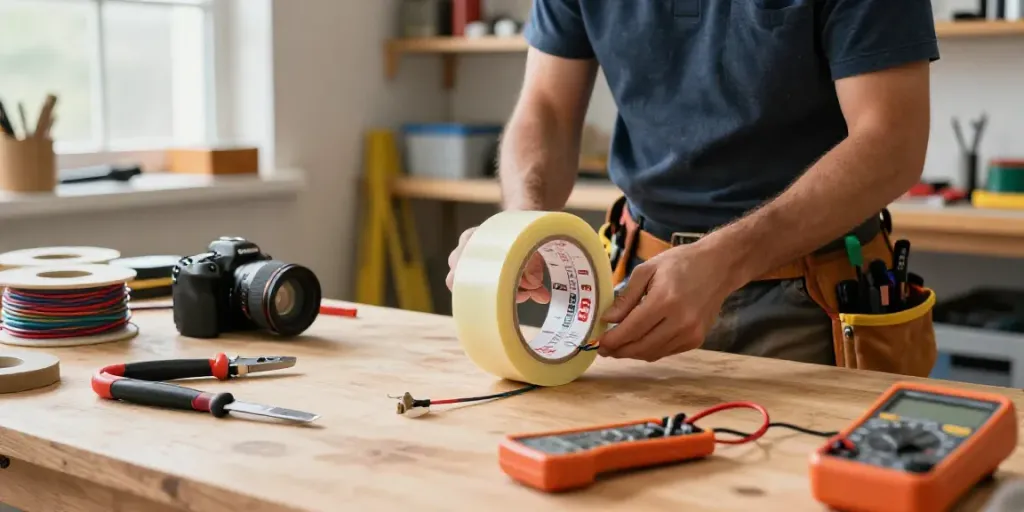
Introduction to Super33: The Essential Tool for Electrical Work
In the realm of electrical work, having dependable tools is vital for ensuring safety and efficiency. One tool that stands out as essential for both professionals and DIY enthusiasts isSuper33. Known for its durability and versatility, Super33 is much more than just an electrical tape; it's a professional-grade solution that can enhance the quality of your electrical projects. From insulating wires to protecting connections, this tape plays a crucial role in delivering reliable results. Whether you are a seasoned electrician or someone just starting in wiring projects, understanding the features and uses of Super33 can significantly improve your work. When exploring options, Super33 provides comprehensive insights into how to effectively utilize this tape.
What is Super33 and its Key Features?
Super33 is a high-quality vinyl electrical tape manufactured by 3M, specifically designed to meet the demands of electrical applications. It boasts several key features:
- Professional-Grade Quality: Super33 offers superior adhesion, ensuring it sticks well and stays in place.
- Temperature Resistance: It can withstand temperatures from -18°C to 105°C, making it suitable for various environments.
- Thickness: With a thickness of 7 mil, it provides excellent protection and insulation for wires.
- Voltage Rating: This tape is rated for use on low to high-voltage applications, covering up to 600 volts.
- All-Weather Performance: It is resistant to moisture, abrasion, and UV light, thereby maintaining performance in diverse conditions.
Importance of Choosing Quality Electrical Tape
Using quality electrical tape like Super33 is crucial for several reasons. First, it ensures safety by providing robust insulation against electrical hazards. Poor quality tape can fail, leading to short circuits or even electrical fires. Secondly, high-quality tape is designed to last, reducing the need for frequent replacements. By investing in reliable electrical tape, you can ensure your projects are not only finished successfully but also safe for use over time. It's not merely about saving money but also about ensuring that you prioritize safety and efficiency in your electrical work.
Common Applications of Super33 in Electrical Projects
Super33 is versatile and suitable for a variety of applications, including:
- Insulating Electrical Wires: It effectively insulates connections, protecting against moisture and abrasion.
- Marking Wires: The availability of multiple colors allows for easy identification of wires in complex systems.
- Bundling Wires: It can be used to group wires together neatly, preventing tangling and damage.
- Repairing Insulation: Super33 is ideal for repairing damaged insulation on wires and cables.
- Sealing Electrical Boxes: It helps to securely seal electrical connections, contributing to overall system safety.
Understanding Common Mistakes with Super33
While Super33 is an excellent tool for electrical work, many users make common mistakes that can compromise their projects. Understanding these missteps can help ensure better outcomes in any electrical application.
Neglecting Proper Surface Preparation
One of the biggest mistakes made when using Super33 is failing to prepare the surface adequately before application. Dirt, dust, or moisture can prevent the tape from adhering correctly, reducing its effectiveness. Always clean the area where the tape will be applied and ensure it is dry for optimal adhesion.
Using Super33 Beyond Its Voltage Rating
Another common error is using Super33 beyond its rated voltage limits. While it can handle up to 600 volts, exceeding this rating can lead to failures. Users must always check the specifications and ensure that they apply the tape within its voltage limits to maintain safety and functionality.
Failing to Overlap Properly When Wrapping
When wrapping wires, some individuals overlook the importance of proper overlap. Failing to overlap the tape adequately can lead to exposed areas that may be vulnerable to moisture or abrasion. A good rule of thumb is to overlap by about half the width of the tape for the best insulation.
Best Practices for Using Super33 Effectively
To maximize the effectiveness of Super33, following best practices during application is essential. Here are some actionable tips:
Tips for Proper Application Techniques
For optimal results, apply the tape with tension, stretching it slightly as you wrap around the wire. This ensures a tighter seal and better insulation. Additionally, avoid wrapping the tape too tightly, as it may lead to deformation and loss of adhesive properties over time.
Conditions to Avoid for Optimal Performance
Be aware of environmental conditions that could affect the tape's performance. Avoid using Super33 in areas exposed to extreme temperatures or high moisture levels unless necessary, as these conditions can compromise adhesion and insulation quality. Store the tape in a cool, dry place when not in use to prolong its lifespan.
Regular Maintenance of Tools and Materials
Keeping your workspace organized and your tools well-maintained is equally important. Regularly check the condition of your tools and materials to ensure everything is in good working order. This not only improves efficiency but also enhances the safety of your electrical projects.
Comparing Super33 with Other Electrical Tapes
When selecting the right electrical tape for your needs, comparing Super33 with other options on the market can provide valuable insights.
Super33 vs. Super 88: Which is Better?
While both Super33 and Super 88 are high-quality electrical tapes, they cater to different needs. Super 88 has superior thickness and stickiness, making it ideal for heavy-duty applications. However, Super33 offers excellent overall value for most everyday tasks and is easier to handle for general use.
Understanding the Thickness and Strength Differences
The thickness of electrical tapes varies, and this directly influences their applications. Super33, with its 7 mil thickness, provides a balance of flexibility and strength, suitable for a wide range of tasks. Conversely, if you require a tape capable of withstanding more stress, opting for a thicker option like Super 88 might be beneficial.
Evaluating Cost vs. Performance Across Brands
When making a decision based on cost, it's essential to weigh the performance benefits against the price. While cheaper alternatives may seem appealing, they often sacrifice quality, leading to potential hazards. Super33, priced competitively among professional-grade tapes, offers exceptional value for its reliability.
Future Trends in Electrical Tape Technology (2026 and Beyond)
As technology continues to evolve, so does electrical tape. Keeping an eye on emerging trends can help you stay ahead in your electrical projects.
Emerging Materials and Innovations in Adhesives
Developments in adhesive technology promise to enhance the performance of electrical tapes. Future iterations may incorporate advanced materials that bond better, withstand higher temperatures, and offer greater flexibility, improving application ease and reliability.
Sustainable and Eco-Friendly Options Available
With growing awareness of environmental issues, manufacturers are beginning to offer eco-friendly electrical tapes. Future products may focus on sustainability, using recyclable materials without compromising on performance, addressing both functionality and environmental concerns.
The Shift Towards Smart Electrical Solutions
The integration of smart technologies into electrical systems is on the rise. Electrical tapes that incorporate sensors or monitoring capabilities may emerge, providing real-time data on electrical integrity, helping users stay informed about their installations' condition.
Is Super33 the best electrical tape?
Undoubtedly, Super33 ranks among the best electrical tapes available, thanks to its robust performance, versatility, and reliability. It is suitable for both professional electricians and DIY enthusiasts alike.
How many volts is Super33 good for?
Super33 is rated for use in applications up to 600 volts, making it suitable for a wide range of electrical projects, from light household wiring to more substantial commercial applications.
What's better, Super33 vs Super88?
The choice between Super33 and Super88 largely depends on the specific application. Super88 offers more thickness and stickiness, making it better for heavy-duty tasks, while Super33 is perfect for general purposes and is easier to handle.
What is the difference between Super33 and 35 electrical tape?
The main difference lies in their adhesive properties and thickness. Super33 is slightly thicker, providing better insulation and durability compared to Super 35, which is designed for less demanding applications.
How to properly store Super33 for longevity?
To ensure the longevity of Super33, store it in a cool, dry place, away from direct sunlight. Avoid exposing it to extreme temperatures and humidity, which can degrade its adhesive properties over time.