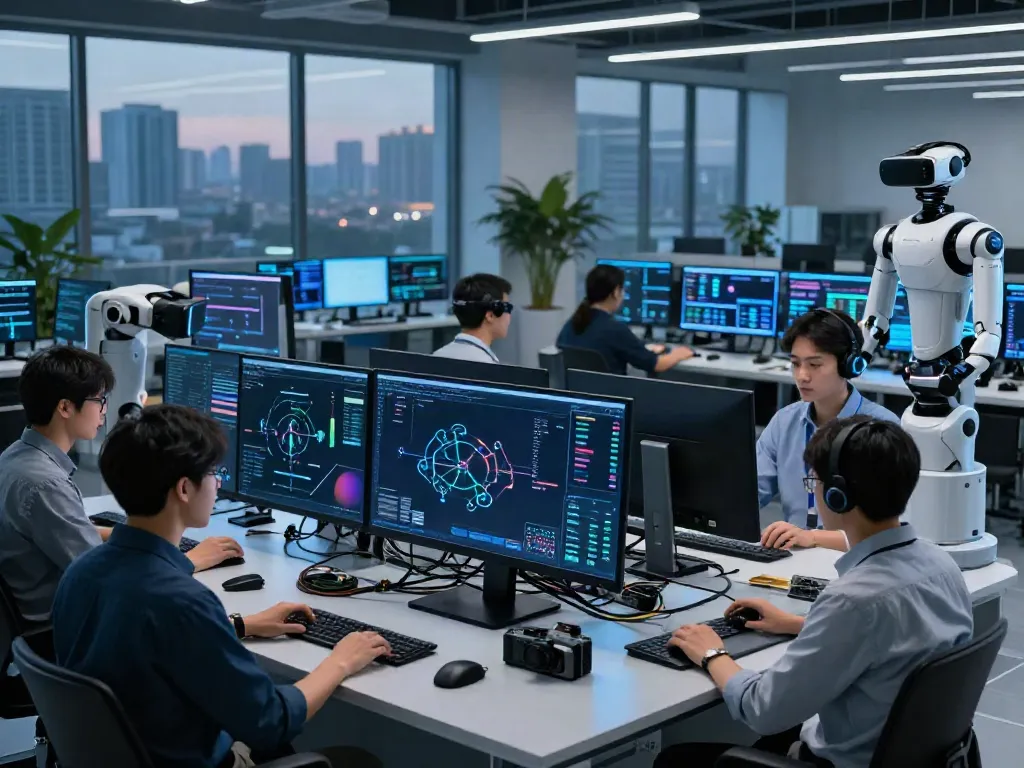
Understanding AI Infrastructure: The Backbone of Modern Technology
As artificial intelligence (AI) continues to evolve and permeate various sectors, the importance of a robust AI infrastructure has never been more pronounced. This complex framework is essential for the effective deployment, management, and scaling of AI applications. Comprising both hardware and software elements, AI infrastructure serves as the foundation that allows organizations to harness the full potential of AI technologies. When exploring options, AI infrastructure provides comprehensive insights into how this technology can be leveraged for operational efficiency and innovation.
Defining AI Infrastructure and Its Components
At its core, AI infrastructure encompasses the technological and organizational frameworks that support AI applications. It includes the physical hardware—like servers and GPUs—alongside the software stacks that enable data processing and machine learning model training. Key components of AI infrastructure include:
- Hardware: This includes computing resources, such as high-performance GPUs and TPUs that perform the intensive calculations necessary for AI algorithms.
- Data Storage: Efficient storage solutions, such as SAN (Storage Area Network) or cloud-based storage, are crucial for managing vast amounts of data used in AI training.
- Networking: High-speed connectivity is vital to ensure that data can be transferred efficiently among various components of the infrastructure.
- Software Platforms: These include machine learning frameworks (like TensorFlow or PyTorch), which facilitate the development and deployment of AI models.
The Role of Hardware in AI Deployment
Hardware plays an indispensable role in AI infrastructure. Given the computational demands of AI, organizations often deploy dedicated hardware solutions designed specifically for these tasks. For instance, GPU clusters can substantially reduce the time needed for training complex models, enhancing overall operational efficiency. Cloud providers are increasingly offering tailored solutions, such as GPU-based instances, which allow organizations to scale up processing power according to their needs without significant upfront investments in physical hardware.
Software Solutions Driving AI Efficiency
Software frameworks and applications are equally critical. They not only facilitate the deployment of machine learning models but also provide tools for data management, monitoring, and optimization. Platforms like Kubernetes enable organizations to manage containerized applications efficiently, facilitating the deployment of AI models at scale. Moreover, automated machine learning (AutoML) tools are emerging, allowing non-experts to leverage AI capabilities without deep technical knowledge.
Why Power Matters in AI Infrastructure
Power is a foundational element in the AI infrastructure landscape, as it directly affects the performance and efficiency of computing resources. The increasing computational demands of AI workloads necessitate robust and reliable power supply solutions, especially as organizations scale their operations.
Power Requirements for AI Workloads
AI workloads, especially those involving deep learning, require substantial power. The energy consumption is primarily driven by the need for cooling systems to maintain optimal operating temperatures for high-density GPU setups. Consequently, the design of AI infrastructure must prioritize efficient power usage and cooling methodologies to prevent performance degradation and hardware malfunctions.
Strategies for Efficient Power Management
To optimize power usage, organizations are adopting several strategies, including:
- Dynamic Power Allocation: By implementing smart grid technologies, organizations can monitor and adjust power distribution dynamically based on workload demands.
- Energy-Efficient Hardware: Investing in energy-efficient processors and cooling solutions can significantly reduce operating costs and environmental impact.
- Renewable Energy Sources: As sustainability becomes a priority, many organizations are exploring renewable energy options to power their AI infrastructure.
Environmental Impact of AI Infrastructure Power Use
With great power consumption comes great responsibility. The environmental impact of AI infrastructure power use is a growing concern, as increased electricity demand can lead to higher carbon emissions unless sourced from renewable energy. Organizations must remain vigilant about their energy consumption and take proactive measures to mitigate their environmental footprint.
Global AI Infrastructure Power Network and Its Benefits
The integration of power resources with AI infrastructure leads to the emergence of a global AI infrastructure power network, enhancing operational efficiency and sustainability. This network facilitates the distribution of energy resources to various AI operations, creating a more efficient and responsive infrastructure.
Connecting Resources to Enhance Efficiency
By connecting localized power generation sources with AI infrastructure, organizations can optimize energy use and improve operational scalability. This decentralized approach allows for better resource management, ensuring that AI applications receive the necessary power while minimizing waste and costs.
Case Studies of Successful Power Networks
Numerous case studies exemplify the benefits of interconnected power networks. For instance, companies that have leveraged local renewable energy sources, such as solar or wind, have seen substantial reductions in operating costs while simultaneously increasing their sustainability profiles. These success stories highlight the potential for organizations to innovate around energy use within their AI infrastructures.
The Future of AI Infrastructure Collaboration
As organizations increasingly recognize the importance of collaboration in AI infrastructure development, partnerships between power providers, AI companies, and technological innovators are becoming more common. These collaborations aim to share best practices, streamline energy use, and develop more efficient AI applications.
Building an AI Infrastructure Ecosystem Together
Creating a comprehensive AI infrastructure ecosystem requires input and cooperation from various stakeholders, including technology providers, energy suppliers, and end-users. Best practices for collaboration include establishing clear communication channels, sharing resources, and integrating complementary technologies.
Best Practices for Collaboration Across Sectors
Partnerships in AI infrastructure should be built on trust and transparency. This can be achieved by:
- Creating Joint Ventures: Collaborative efforts in AI projects can reduce risks and foster innovation.
- Sharing Knowledge: Organizing workshops and forums can facilitate knowledge exchange on best practices in AI infrastructure.
- Standardizing Technologies: Developing industry-wide standards can streamline integration processes and reduce compatibility issues.
Innovative Approaches to Infrastructure Development
Innovation is key to adapting AI infrastructure to future demands. This may involve exploring cutting-edge technologies like edge computing, which distributes computing tasks closer to the data source, minimizing latency and bandwidth issues. Additionally, the integration of AI in managing infrastructure can optimize resource use and operational efficiency.
Challenges and Solutions in Building AI Ecosystems
While building AI infrastructure ecosystems presents significant opportunities, it also poses challenges, such as data privacy concerns, regulatory hurdles, and the need for interoperability among diverse systems. Solutions may include:
- Developing Robust Security Protocols: Ensuring data privacy and security through advanced encryption and access control mechanisms.
- Engaging with Regulators: Proactively communicating with regulatory bodies can help address compliance issues and foster a favorable business environment.
- Investing in Interoperability Solutions: Creating middleware and APIs that facilitate communication between various AI systems can enhance flexibility and responsiveness.
Future Trends in AI Infrastructure for 2026 and Beyond
The landscape of AI infrastructure is rapidly evolving, with several key trends anticipated to shape its development in the coming years. Understanding these trends will be crucial for organizations aiming to stay ahead of the curve.
Emerging Technologies Shaping AI Infrastructure
Technological advancements, such as quantum computing and advanced neural networks, are expected to revolutionize AI infrastructure. Quantum computing, in particular, promises to exponentially increase computational power, enabling the processing of complex models that were previously unfeasible. Additionally, innovations in hardware, such as neuromorphic computing, may lead to more energy-efficient AI systems.
Predictions for the AI Token Economy
The AI Token Economy is set to evolve significantly as the demand for AI services escalates. Tokens will increasingly serve as units of measure for AI workload transactions, providing a transparent billing mechanism that aligns computing costs with utility. By establishing more efficient tokenization frameworks, organizations can improve cost predictability and resource allocation.
Preparing for the Next Wave of AI Innovations
Organizations must prepare for the next wave of AI innovations by investing in flexible infrastructure that can adapt to new technologies and methodologies. This includes embracing cloud-native architectures and leveraging AI-driven insights to optimize power management and resource allocation. As AI applications grow in complexity, so too must the infrastructures that support them.
What are the key components of AI infrastructure?
The key components of AI infrastructure include hardware (such as GPUs and TPUs), data storage, networking capabilities, and software platforms that facilitate AI model development and deployment. Together, these components create an interconnected ecosystem that supports efficient AI operations.
How does electricity support AI token services?
Electricity is a crucial enabler of AI token services, as it powers the hardware used for processing AI workloads. By ensuring a reliable electricity supply, organizations can maintain optimal performance and scalability of their AI infrastructures, which in turn enhances their ability to deliver token-based AI services.
What challenges do organizations face in AI infrastructure?
Organizations face several challenges in building and maintaining AI infrastructures, including high energy consumption, ensuring data privacy, managing complex integrations, and navigating regulatory environments. Addressing these challenges requires innovative solutions and collaboration across sectors.
Who can participate in AI infrastructure power plans?
Participation in AI infrastructure power plans is typically open to organizations and individuals looking to support AI factory operations. Participants can choose from a range of power plans tailored to their specific needs and contributions, allowing them to engage in the AI Token Economy without the need for extensive technical resources or infrastructure investments.
How is the AI token economy evolving in 2026?
As we approach 2026, the AI token economy is expected to become more sophisticated, incorporating advanced metering techniques and dynamic pricing models that reflect real-time usage. This evolution will facilitate a more transparent and efficient marketplace for AI services, enabling both providers and users to optimize their operations.